Residents in the Atlantic hurricane belt should prepare for a high likelihood that El Nino is coming. According to the NOAA, effects of the phenomenon could be felt from summer 2026, with strengthening expected into late 2026.
This prediction is based on ocean temperatures in the equatorial Pacific which have shifted from La Niña toward warmer conditions. Because of this, there are increased odds that El Niño will form during June–August and possibly intensify further by fall.
With an El Nino in effect, residents can expect:
- Higher global and regional temperatures
- Shifts in precipitation patterns
- Impacts on hurricanes and storms
- Agriculture and water resources stress
NOAA models indicate increased chances of a strong event, with a notable probability that conditions could meet the threshold for a super El Niño (sustained SST anomalies ≥ 1.5°C). This year’s El Nino is expected to be the strongest since the 2023-2024 season.
What is El Nino?
El Niño occurs when the normal east‑to‑west trade winds weaken along the equatorial Pacific, letting unusually warm surface water spread eastward. This shift alters atmospheric circulation and ocean heat distribution, producing weather changes worldwide.
For the Caribbean and U.S., El Niño often influences seasonal rainfall, temperature patterns, and hurricane activity.
El Nino’s Impacts on the Hurricane Season
Strong El Ninos change the Atlantic hurricane environment by boosting vertical wind shear over the Atlantic. Increased shear disrupts storm organization, which can result in fewer and typically weaker Atlantic tropical cyclones.
Climate models increasingly point to another El Niño developing, but its strength and duration remain uncertain. To receive updates on El Nino developments, follow the NOAA.
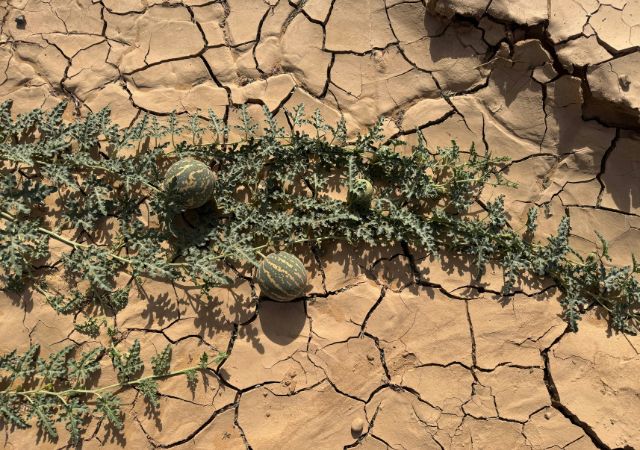
Image: Azzedine Rouichi via Unsplash