Creating a hygiene kit is an important step in maintaining your personal hygiene and staying prepared for unexpected situations. A hygiene kit is a collection of essential items that you may need when you are away from home, traveling, or during an emergency.
It can also help you stay clean and healthy, especially during times when access to clean water and sanitation facilities may be limited. In this article, we will guide you through the process of creating your own hygiene kit, including what items to include and how to pack them for easy transport. This kit can be used if you are planning a trip, preparing for an emergency, or simply want to stay clean and fresh on-the-go.
Essentials of a Hygiene Kit
When creating a hygiene kit, it is important to include the essentials to ensure you stay clean and fresh. It can include items such as a toothbrush, toothpaste, soap, shampoo, deodorant, and other personal care products.
Toothbrush and Toothpaste
Maintaining good oral hygiene is essential for overall health and a toothbrush and toothpaste should be included in your hygiene kit. Choose a toothbrush with soft bristles to avoid damaging your teeth and gums. A travel-sized toothpaste tube is ideal for your hygiene kit as it takes up less space.
Soap and Shampoo
Soap and shampoo are essential for cleaning your body and hair. Choose a mild soap that is gentle on your skin and doesn’t dry it out. For you’re a kit, you can include small bottles of shampoo and conditioner that are suitable for all hair types.
Deodorant
Deodorant helps to control body odor and keeps you feeling fresh. Choose a deodorant that is suitable for your skin type and has a pleasant scent.
Nail Clippers
Nail clippers help to keep your nails clean and tidy, which is important for good hygiene. Choose a small pair of nail clippers that are easy to use and store in your kit.
To maintain good hygiene, check expiration dates and replace your hygiene kit items regularly.
Additional Items
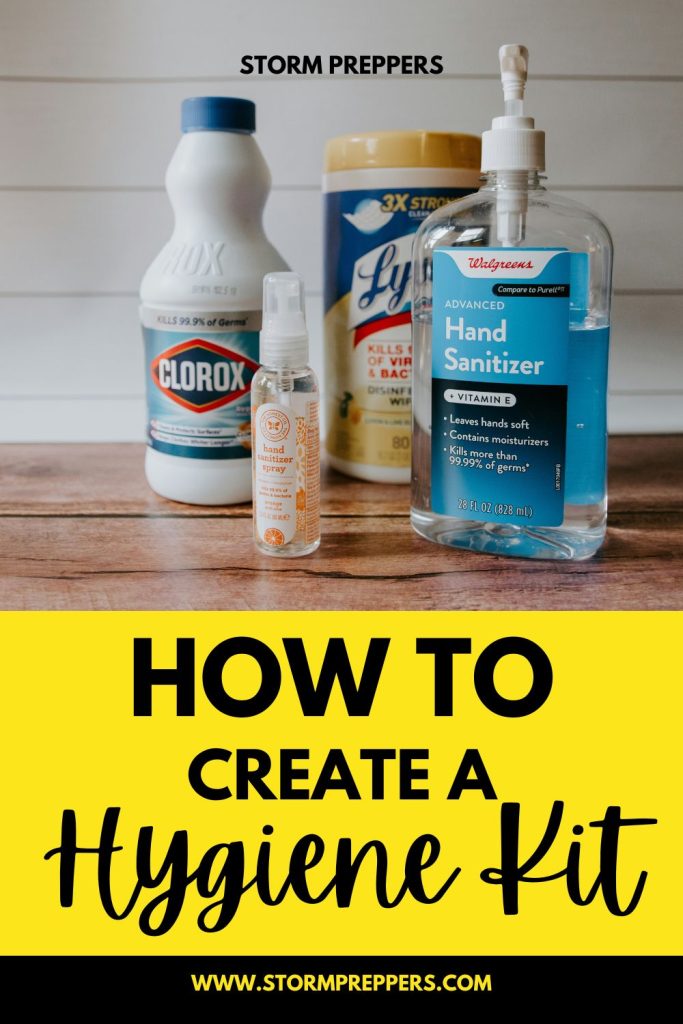
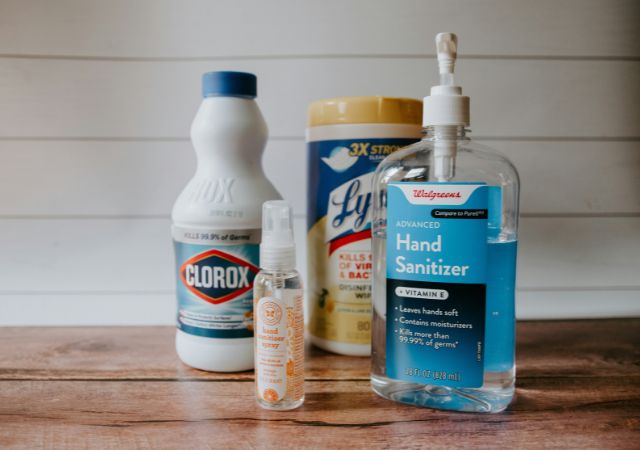
There are additional items that can help you stay clean and healthy. You can also add hand sanitizer, wet wipes, menstrual products, and first aid supplies to your kit.
Hand Sanitizer
Hand sanitizer can help kill germs and prevent the spread of illness. Look for a hand sanitizer that contains at least 60% alcohol for maximum effectiveness. You can find hand sanitizer in small travel-sized bottles that are easy to carry with you.
Wet Wipes
Wet wipes can be used to clean your hands, face, and body when you don’t have access to soap and water. Look for wipes that are fragrance-free and gentle on the skin.
Menstrual Products
If you menstruate, it’s important to include menstrual products such as pads, tampons, and menstrual cups. Make sure to include enough products to last for at least two periods.
First Aid Supplies
Basic first aid supplies can also be added to your hygiene kit. Supplies can include bandages, antiseptic wipes, and pain relievers. These items can help you treat minor injuries and illnesses while on the go.
The items you choose to include in your hygiene kit will depend on your individual needs and preferences. Consider the activities you’ll be doing and the environments you’ll be in when choosing items for your kit. By taking the time to create a well-stocked hygiene kit, you’ll be better prepared to stay clean and healthy no matter where life takes you.
Frequently Asked Questions
What items should be included in a hygiene kit for students?
A hygiene kit for students should include basic personal care items such as soap, shampoo, toothbrush, toothpaste, deodorant, comb, towel and sanitary products for girls. When selecting items for the kit, be mindful of the age and gender of the students as well as It is important to consider the age and gender of the students when selecting the items for the kit. The kit should meet the basic personal care needs of the students.
What are the essential components for a workplace hygiene kit?
A workplace hygiene kit should include items that help employees maintain personal hygiene, such as hand sanitizer, tissues, wet wipes, and face masks. Other items such as a toothbrush, toothpaste, and deodorant can also be included. It is important to consider the nature of the workplace, the number of employees and the specific needs of the employees when selecting the items for the kit.
What are the steps to create a child-friendly hygiene kit?
To create a child-friendly hygiene kit, you can include items that are appealing to children such as colorful toothbrushes, fruity-flavored toothpaste, and scented soaps. Other items such as a comb, hairbrush, and a small toy can also be added to make the kit more appealing. Items in a child-friendly hygiene kit should be safe for children and age-appropriate.
How can organizations distribute free hygiene kits effectively to students?
Organizations can distribute free hygiene kits effectively to students by partnering with schools, community centers, and other organizations that serve the target population. Kits can be distributed during school events, health fairs, and other community events. Consideration should be given to distribution channels to ensure that they are accessible and convenient for the intended recipients.
What are the best practices for assembling a family hygiene kit?
To assemble a family hygiene kit, you can use the suggestions in this article as a guide. It is important to consider the specific needs of each family member, such as age and gender, when selecting the items for the kit. Additionally, it is important to store the kit in a safe and accessible place in the home.
Image: Kelly Sikkema via Unsplash