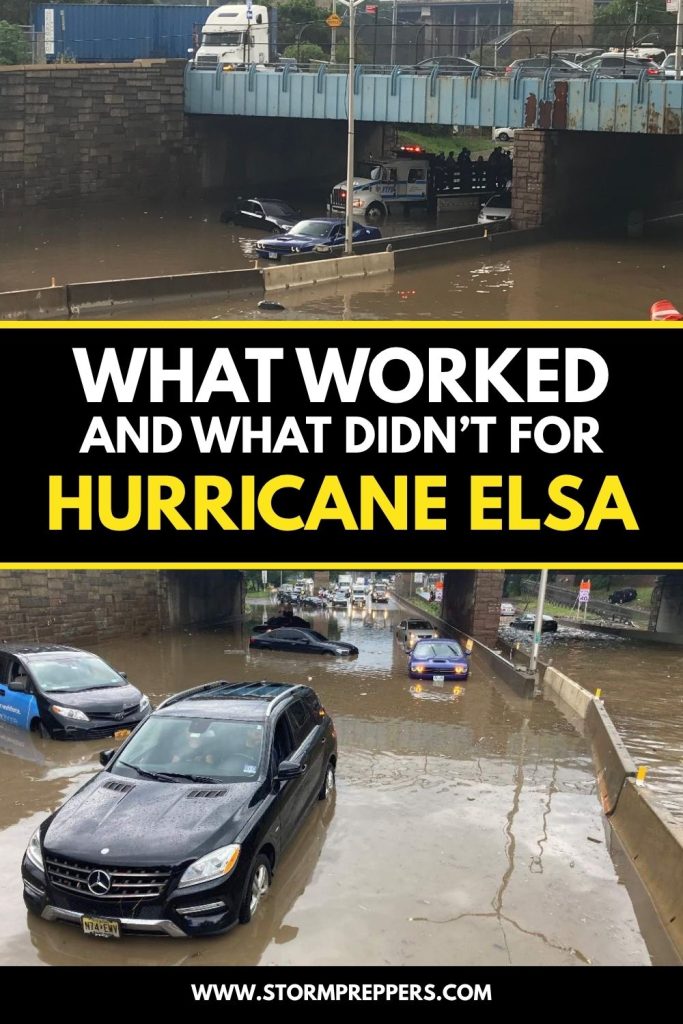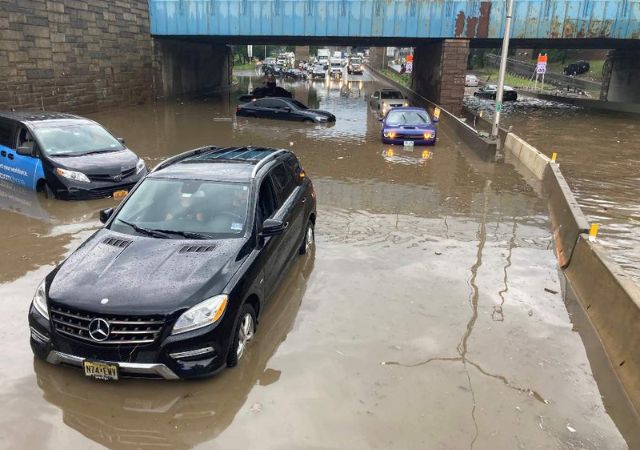
If you live in the Atlantic coast, you are no stranger to hurricanes. These natural disasters can cause widespread damage and destruction, and their impact can be felt for years to come. Elsa, which hit the US in July 2021, was no exception. As with any hurricane, some things worked well, while others did not. In this article, we will explore what worked and what did not for Elsa.
One of the most crucial aspects of any hurricane is the early warning system. This system is designed to alert people in the path of the storm, giving them time to evacuate or prepare for the worst. In the case of Elsa, the early warning system seemed to work well. The storm was detected early, and people were given plenty of time to prepare. However, there were still some areas where the warning system could be improved.
Another critical factor in any hurricane is the response and recovery efforts. After the storm has passed, it’s up to local authorities and emergency responders to pick up the pieces and help people get back on their feet. In the case of Elsa, the response and recovery efforts were mixed. Some areas were able to bounce back quickly, while others are still struggling to recover.
Assessment of Early Warning Systems
When assessing the effectiveness of early warning systems for Elsa, there are two important factors to consider: the effectiveness of communication channels and the accuracy of predictive models.
Effectiveness of Communication Channels
One of the most critical aspects of any early warning system is the effectiveness of its communication channels. In the case of Elsa, it is important to evaluate how well the communication channels worked in terms of getting information to those who needed it most. This includes not only local residents but also emergency responders, government officials, and other stakeholders.
On review, the communication channels used for Elsa were effective. Emergency alerts were sent out via text message, email, and social media. Local news outlets also provided regular updates on the storm’s progress. In addition, emergency responders were able to communicate with each other using radios and other communication devices.
Accuracy of Predictive Models
Another important factor to consider when assessing early warning systems is the accuracy of predictive models. In the case of Elsa, it is important to evaluate how well the predictive models worked in terms of forecasting the storm’s path and intensity.
Generally, the predictive models used for the hurricane were accurate. The models were able to accurately predict the storm’s path and intensity several days in advance. This allowed emergency responders and local residents to prepare for the storm and take appropriate action to protect themselves and their property.
In conclusion, the early warning systems used for Elsa were effective in terms of both communication and predictive modeling. While there were certainly areas for improvement, overall the systems worked well and helped to mitigate the impact of the storm on local communities.
Response and Recovery Efforts
Emergency Services Coordination
During Elsa, emergency services coordination was key to ensuring that communities were prepared and had the necessary resources to respond to the storm. The State Emergency Response Team of Florida’s Region 6 Strike team was deployed to assist with recovery and clean-up efforts following the Surfside condo collapse. When Elsa was approaching, they returned to their duties of responding to the storm. This highlights the importance of having a well-coordinated and flexible emergency response team that can quickly shift resources and priorities as needed.
Infrastructure and Power Restoration
Elsa caused widespread power outages and damage to infrastructure, particularly in the Florida Keys. However, the state and local authorities were able to quickly mobilize resources and work to restore power and repair damaged infrastructure.
The Florida Department of Transportation worked tirelessly to clear roads and bridges, and utility companies worked around the clock to restore power to affected areas. This highlights the importance of having a robust and resilient infrastructure that can withstand and quickly recover from natural disasters.
Community Support and Resilience
The communities affected by Elsa showed remarkable resilience and support for each other during and after the storm. Local organizations and volunteers worked to provide shelter, food, and other necessities to those affected by the storm. This highlights the importance of community support and preparedness in the face of natural disasters. It is important for communities to have a plan in place for emergencies and to work together to ensure that everyone is safe and supported.
The response and recovery efforts for Elsa were successful due to the coordination of emergency services, the resilience of affected communities, and the dedication of those working to restore infrastructure and power.
Frequently Asked Questions
How effective were the hurricane preparedness measures for Elsa?
Elsa caught many people off guard due to its rapid intensification and unexpected path. However, emergency management agencies had been tracking the storm and issuing alerts in advance of its arrival. While some people were able to evacuate and prepare for the storm, others were caught off guard.
Which emergency response strategies mitigated the impact of Elsa?
Emergency response strategies such as pre-positioning of supplies and equipment, activation of emergency operations centers, and coordination between local, state, and federal agencies helped mitigate the impact of Elsa. In addition, the use of social media and other communication channels helped disseminate important information and updates to the public.
What were the key factors that contributed to the damage caused by Elsa?
The key factors that contributed to the damage caused by Elsa were strong winds, heavy rainfall, storm surge, and flooding. In addition, the storm’s rapid intensification and unexpected path made it difficult for some communities to prepare and respond effectively.
In what ways did infrastructure fail or succeed during Hurricane Elsa?
Infrastructure such as roads, bridges, and power lines were severely impacted by Elsa. In some areas, power outages and road closures lasted for several days after the storm. However, in other areas, infrastructure held up well and was able to withstand the storm’s impact.
What lessons were learned from the response to Elsa?
Lessons learned from the response to Elsa include the importance of early warning systems, effective communication strategies, and the need for better infrastructure and preparedness measures. In addition, the storm highlighted the need for more resources and funding for emergency management agencies.
How did communication systems perform during Hurricane Elsa?
Communication systems such as social media, emergency alerts, and traditional media outlets performed well during Elsa. However, some communities experienced communication disruptions due to power outages and other infrastructure damage. Overall, communication systems played a critical role in keeping the public informed and safe during the storm.
Why was Elsa so significant in Barbados?
Elsa and was the first storm to slam Barbados in 66 years. Although not as strong as its predecessor Janet, Elsa packed a punch as a weak hurricane and slammed Barbados, leaving millions of dollars in damage.
Early warning systems played a crucial role in preparing for Elsa. Response and recovery efforts were mixed, with some areas recovering more quickly than others. One of the major lessons learned from Hurricane Elsa is that residents in the Atlantic storm belt should always be prepared for tropical storms and other natural disasters.
Image: NYPD via Floodlist