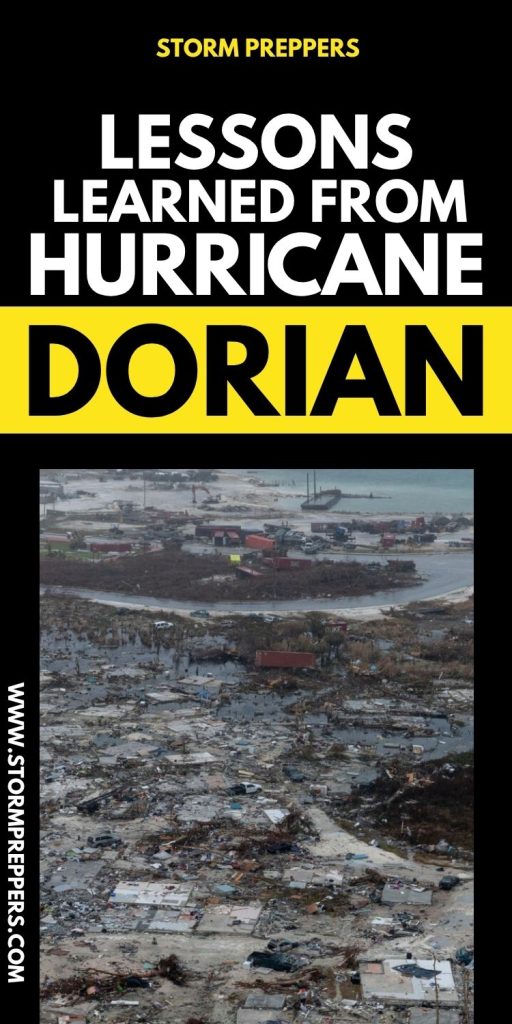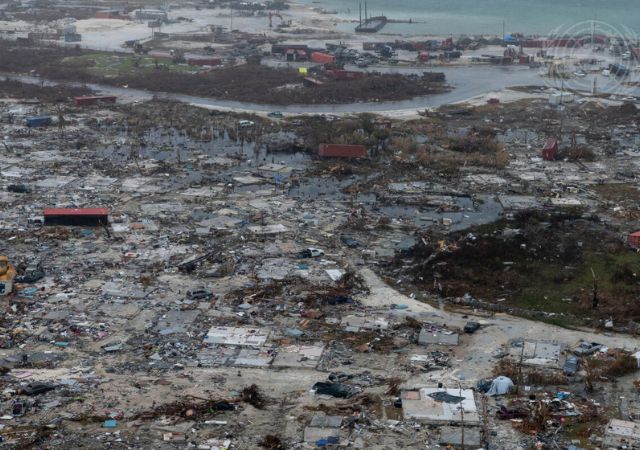
Hurricane Dorian was one of the most powerful and devastating storms to ever hit the Atlantic region. It caused widespread destruction, loss of life, and environmental damage in the Bahamas, parts of the United States, and Canada. However, from this tragedy, there are important lessons that we can learn to better prepare and respond to natural disasters.
One of the key lessons learned from Dorian is the importance of preparedness and response. As the storm approached, many people were caught off guard and unprepared for the severity of the impact. Those who had taken precautions and had emergency plans in place were able to minimize the damage and protect themselves and their families. This highlights the importance of having a comprehensive disaster plan, including evacuation routes, emergency supplies, and communication strategies.
Another lesson from the storm is the importance of resilience in the face of adversity. Despite the devastation, communities came together to support each other and begin the long process of recovery. This resilience is a reminder that, even in the darkest of times, there is hope and strength in unity.
The Impact of Hurricane Dorian
For some survivors, Dorian wasn’t just a storm; it was a 185-mph, category five monster. Residents in The Bahamas can attest to Dorian’s horror which occurred when it stalled over the islands for 24 agonizing hours. The impacts of the storm included $3.4 billion in damages, 70,000 people homeless, and destroyed ecosystems.
Meteorological Overview
Dorian began as a tropical wave on August 19, 2019. By the time it made landfall in the Bahamas on September 1, 2019, its maximum sustained winds were 185 mph, there were gusts up to 220 mph, and a storm surge of up to 23 feet. According to National Geographic, Dorian was one of the strongest Atlantic hurricanes on record, and the strongest hurricane to have ever hit The Bahamas.
Affected Regions
Dorian impacted several regions, including the Bahamas, the United States, and Canada. The storm caused widespread damage to infrastructure, homes, and businesses, and left thousands of people homeless. According to Relief Web, the hardest-hit areas were the Abacos and Grand Bahama Island in the Bahamas.
Casualties and Injuries
There were several human casualties and injuries. At least 70 people were killed in the Bahamas, and hundreds more were reported missing. In the United States, the storm caused at least 5 deaths, and several injuries.
Economic Losses
The financial impact of the storm is estimated to be in the billions of dollars, with the Bahamas being the hardest-hit. The storm caused damage to infrastructure, homes, and businesses, and disrupted tourism and other economic activities.
Preparedness and Response
When it comes to natural disasters like Dorian, being prepared and having a plan in place can make all the difference. In this section, we’ll cover some key areas of preparedness and response that can help you and your community stay safe and minimize damage.
Evacuation Procedures
One of the most important aspects of preparedness is having a clear evacuation plan. This includes knowing your evacuation zone, having a designated meeting place for your family, and having a well-stocked emergency kit ready to go. It’s also important to stay informed about evacuation orders and to follow the instructions of local officials.
Emergency Services Coordination
During a disaster, emergency services play a crucial role in ensuring the safety of residents and minimizing damage. At minimum they conduct search and rescue operations and provide medical care and shelter. Effective coordination between different agencies and organizations is key to ensuring that resources are allocated efficiently and that everyone gets the help they need.
Public Awareness Campaigns
Public awareness campaigns can be an effective way to promote preparedness and ensure that residents are informed about potential risks and hazards. Campaigns can include distributing informational materials on social media and traditional media, holding community meetings, and drills. By working together and staying informed, communities can minimize the impact of natural disasters like Hurricane Dorian.
Lessons in Resilience
The lessons learned from this disaster can help us build resilience in the face of future natural disasters.
Building Codes and Infrastructure
One of the most important lessons learned from Dorian is the importance of strong building codes and resilient infrastructure. Stronger building codes and infrastructure can help to mitigate the damage caused by hurricanes and other natural disasters. For example, building codes can require the use of hurricane-resistant materials and designs, while infrastructure improvements can include the construction of seawalls and other protective measures.
Community Solidarity
Another lesson from this hurricane is the importance of community solidarity. In the aftermath of the storm, communities came together to help each other, providing food, water, and shelter to those in need. This kind of solidarity can help to build resilience by creating a sense of shared responsibility and mutual support.
Local Government Preparedness
Dorian also highlighted the importance of local government preparedness. Governments can play a critical role in disaster response and recovery by coordinating relief efforts and providing essential services. However, governments must also be prepared for disasters themselves, with contingency plans in place and adequate resources to respond to emergencies.
By learning from the lessons of this hurricane, we can build resilience in our communities and prepare for future natural disasters. Stronger building codes and infrastructure, community solidarity, and local government preparedness are just a few of the key strategies we can use to build resilience and protect ourselves from the devastating effects of hurricanes and other natural disasters.
Environmental Consequences
Hurricanes can result in dire environmental consequences that can change ecosystems. Additionally, the changing climate can alter the environment and encourage the formation of stronger hurricanes.
Ecosystem Damage
There was significant damage to the ecosystems in the affected areas. The storm surge and heavy rains caused flooding, which led to soil erosion and uprooting of trees. The strong winds also damaged the vegetation and destroyed habitats of many animals. The debris and pollutants from the storm also caused further harm to the environment.
The ecosystems affected by the hurricane include wetlands, coral reefs, and mangroves. These ecosystems are critical for protecting coastlines, providing habitats for marine life, and regulating the climate. The damage caused by the hurricane can have long-term effects on these ecosystems and the services they provide.
Long-Term Climate Implications
As a result of the storm, there were significant long-term climate implications. The storm was fueled by warm ocean waters, which are becoming increasingly warm due to climate change. The warmer waters provide more energy for hurricanes, making them more powerful and destructive.
The storm also caused significant damage to infrastructure, which can have long-term climate implications. The damage to roads, buildings, and other infrastructure can increase greenhouse gas emissions by making it more difficult to transport goods and people. The rebuilding process can also lead to an increase in emissions due to the use of heavy machinery and other equipment.
Overall, Dorian serves as a reminder of the importance of protecting our ecosystems and reducing our greenhouse gas emissions. By taking action to address climate change, we can help prevent future storms from causing significant damage to our environment and communities.
Technological Innovations
Over the years, there have been several technological innovations that have changed weather forecasting and hurricane analysis.
Forecasting Improvements
Because of advanced technological innovations, forecasters were able to predict the path and intensity of Dorian with greater accuracy. This allowed officials to issue timely warnings and take appropriate measures to protect people and property.
One of the key technologies used in forecasting the hurricane, was the mini satellites developed by NASA. These small satellites, known as CubeSats, are much less expensive to produce than traditional satellites and can work together to track storms around the world. Their role in tracking Dorian could lead to significant improvements in global storm coverage and forecasting data.
Disaster Relief Gadgets
In addition to forecasting improvements, technological innovations have also led to the development of disaster relief gadgets that can help people in the aftermath of a hurricane. For example, there are now portable water filtration systems that can provide clean drinking water in areas where water supplies have been contaminated or disrupted.
Another innovative gadget is the disaster relief drone, which can be used to survey damage and deliver critical supplies to hard-to-reach areas. These drones can carry medical supplies, food, and other essentials, and can be operated remotely to avoid putting human pilots at risk.
The technological innovations that have emerged in the aftermath of Dorian have shown great promise in improving our ability to prepare for and respond to major storms. By continuing to invest in these technologies and explore new solutions, we can help ensure that we are better equipped to handle the challenges of the future.
Urban Planning Strategies
Dorian highlighted the importance of urban planning strategies in mitigating the impact of natural disasters. Countries, states, cities and towns can take proactive measures to reduce the risk of damage caused by hurricanes, such as:
- Building infrastructure that can withstand strong winds and heavy rain.
- Establishing evacuation routes and emergency shelters.
- Implementing zoning laws that restrict building in high-risk areas.
- Encouraging the use of green spaces and natural barriers like wetlands to absorb floodwaters.
By investing in these strategies, communities can reduce the risk of damage and loss of life caused by hurricanes like Dorian.
Insurance and Financial Strategies
Hurricane Dorian also underscored the importance of having adequate insurance and financial strategies in place to minimize the financial impact of natural disasters.
Homeowners and business owners in high-risk areas should consider:
- Purchasing flood insurance, as standard homeowners’ insurance policies typically do not cover flood damage
- Reviewing their insurance policies to ensure they have adequate coverage for wind damage and other hurricane-related losses
- Creating an emergency fund to cover unexpected expenses related to hurricanes, such as temporary housing or repairs to damaged property
By taking these steps, individuals and businesses can better protect themselves financially in the event of a hurricane or other natural disaster.
Frequently Asked Questions
What insights have been gained regarding hurricane preparedness from Dorian?
Dorian provided valuable insights into hurricane preparedness. The hurricane highlighted the importance of early preparation and planning. It is important to have emergency supplies for your household, such as food, water, and medication. Additionally, it is essential to have a plan in place for evacuation and to stay informed about the latest updates from emergency management officials.
How did Dorian’s progression inform our understanding of storm tracking?
Dorian’s progression provided valuable data for storm tracking. The storm’s slow movement and erratic path made it challenging to predict its exact path and intensity. However, the use of advanced technology, such as satellite imagery and computer models, helped to improve the accuracy of storm tracking. The data collected from Dorian will be used to improve future storm tracking and forecasting.
What were the key factors that contributed to Dorian’s intensity?
Several factors contributed to Dorian’s intensity, including warm ocean waters, low wind shear, and atmospheric instability. These conditions allowed the storm to intensify rapidly and maintain its strength for an extended period. Understanding these factors can help to improve hurricane forecasting and preparedness.
In what ways did Hurricane Dorian affect infrastructure, and what can be learned about resilience?
Dorian caused significant damage to infrastructure, including power outages, flooding, and damage to buildings and roads. The hurricane highlighted the importance of resilient infrastructure, which can withstand extreme weather events. Building codes and infrastructure standards can be improved to ensure that infrastructure is more resilient to future hurricanes.
What social impacts emerged from Hurricane Dorian, and how can communities better support affected individuals?
Dorian had significant social impacts, including displacement, loss of property, and emotional trauma. Communities can better support affected individuals by providing access to resources such as temporary housing, mental health services, and financial assistance. It is also essential to prioritize equity in disaster response to ensure that vulnerable populations are not disproportionately affected.
How have emergency response strategies evolved as a result of Hurricane Dorian?
Emergency response strategies have evolved because of Dorian. The hurricane highlighted the importance of coordinated response efforts, including communication between emergency management officials and the public. Additionally, the use of technology, such as social media and mobile apps, has improved communication and response efforts. Continued improvements in emergency response strategies can help to mitigate the impacts of future hurricanes.
The lessons learned from Hurricane Dorian show that preparedness and response are essential for minimizing the impact of natural disasters. It also taught us that resilience is key to recovery and rebuilding in the aftermath of a disaster. We can use these experiences and lessons to better prepare for future natural disasters.
Image: United Nations