As a new hurricane prepper, you can protect your household and stay functional through a storm by stocking a compact set of proven items. To start, you should build a hurricane kit that covers water, food, light, communication, medical needs, and power so you can sustain yourself and your family for at least 72 hours.
The underlying principle is that you should be ready for anything. All essentials should be easy to reach and organized so you can grab them and go if an evacuation order arrives. When prepping, prepare for power outages, limited services, and flooding during hurricane season and prioritize items that let you stay informed, safe, and self-sufficient.
At this level of preparation, you have to think beyond basics. You should include gear for sheltering in place, quick evacuation, and maintaining communication with loved ones and emergency services. Small investments now will reduce risk and stress if a hurricane threatens your area.
Key Takeaways
- Prepare a compact kit to sustain you for at least 72 hours.
- Prioritize items that maintain safety, water, food, and communication.
- Organize supplies for both sheltering in place and rapid evacuation.
Critical Supplies for Hurricane Preppers
There are a few critical supplies that hurricane preppers should buy. To be ready if services fail, prepare specific, usable items that keep you fed, hydrated, warm, and safe. Water storage and filtration, nonperishable food you can eat without cooking, reliable off-grid power, and basic health and hygiene supplies are all top priorities.
1. Water and Storage Solutions
For water, store at least one gallon of water per person per day for a minimum of three days. If you can, aim for seven days. Water must be stored in food-grade water storage containers, stackable 5-gallon jugs, and commercially bottled water, which should be rotated every 12 months.
For grab-and-go evacuations, keep a separate supply of drinking water in smaller bottles.
Your backup can be at least one portable water filter rated for pathogens (pump, gravity, or straw type) and purification tablets. Label containers with fill dates and sanitation instructions.
If your storage space is limited, use a collapsible water bladder and keep spare caps, fittings, and a siphon hose for transfer. To avoid contamination, clean and replace stored water following manufacturer guidance.
2. Emergency Food and Manual Tools
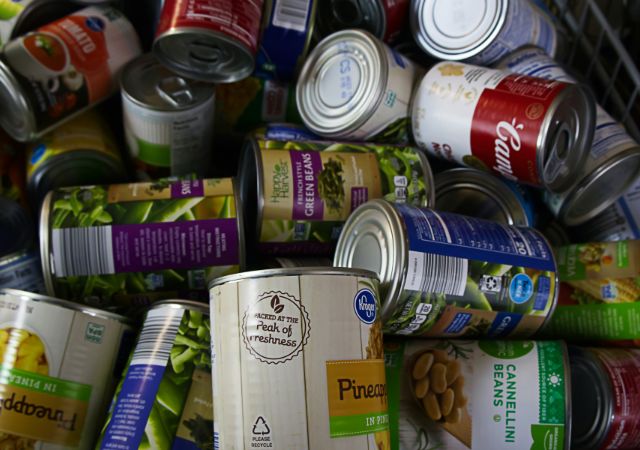
Preppers recommend that you stock a minimum three-day supply of nonperishable food per person. They also suggest items that require no refrigeration or cooking. Items such as canned goods, ready-to-eat meals (MREs or retort pouches), granola bars, peanut butter, and dry mixes and useful options.
Store a manual can opener and a small camping stove with propane or a portable butane/propane canister for occasional hot meals.
Also add multipurpose cookware, disposable plates, and a lightweight mess kit to your stock. Pack comfort items like protein bars and electrolyte powder.
To stay on top of expiration dates and when to rotate items, keep a printed inventory list.
3. Power and Lighting Essentials
Your kit should include multiple light sources. LED flashlights, headlamps, and at least one battery-powered or hand-crank lantern will provide adequate lighting if there is a power failure. Spare batteries should be kept in a waterproof container.
For short-term charging use a high-capacity power bank or portable charger (10,000–30,000 mAh) that can top up phones and radios.
If you expect extended outages, invest in a portable power station or inverter generator and follow local codes when running fuel-powered units outdoors to avoid carbon monoxide. You can also supplement your power sources with solar panels or a small solar charger to maintain batteries and a solar power bank.
If you have a generator, safety is paramount. Store fuel safely—propane cylinders for stoves and a sealed container for generator gasoline—and include proper fuel stabilizer and fuel-handling tools.
4. Health, Hygiene, and Personal Comfort
Your first aid kit should include bandages, antiseptic, tape, OTC pain relievers, and any prescription medications plus copies of prescriptions. If you use something, replenish the kit and check expiration dates.
The kit should also include wet wipes, hand sanitizer, toothbrushes, toothpaste, soap, and a supply of feminine hygiene products and diapers if needed. Put hygiene items in waterproof bags.
Emergency blankets or sleeping bags rated for expected temperatures and an extra set of warm clothing per person will be useful in colder climates.
Don’t forget to add basic sanitation supplies such as plastic trash bags, a portable toilet or bucket, and disinfectant.
Keep a small comfort kit with a flashlight, spare batteries, and a list of emergency contacts and medical information in a waterproof pouch for each person.
5. Information and Connectivity Tools
Staying informed and connected during a storm is important. Choose at least two ways to get warnings. A NOAA weather radio or hand-crank weather radio gives continuous local alerts. You can pair that with smartphone alerts from your county emergency management. Test these systems now so you know which tones mean watch versus warning.
Plan how you’ll keep communication going. Pack a portable power bank, solar charger, and charged spare batteries. In case cell service fails, consider a ham radio or handheld two-way radios for neighborhood or family contact. Write down important phone numbers on paper in case devices die.
You should also create a family communication plan. Designate an out-of-area contact, agree on meeting points, and decide who takes which documents and pet supplies. Keep copies of insurance papers, IDs, and medical info in a waterproof bag and in your go-bag so you can provide them quickly.
6. Protecting Your Home and Cleanup Tools
When protecting your home, secure windows and doors first. Install hurricane shutters or fasten 3/4″ plywood cut to size; keep a roll of duct tape and plastic sheeting to temporarily seal broken glass and cover holes. Bring heavy outdoor items inside or lash them down; store grills, trash bags, and garbage bags where wind won’t pick them up.
Unless you live on a hill, prepare for flooding and debris. Have sandbags on hand if you’re in a surge or low-lying area and elevate electronics and appliances where possible.
Although you may be tempted to start cleaning up after a storm, please wait until your area is safe. Do not use any heavy-duty cleanup tools (e.g. a chainsaw) until your area has been cleared.
If you have a generator, keep a full gas and extra engine oil. Also store large rolls of plastic sheeting, tarps, and contractor trash bags for short-term roof and siding repairs. Label and organize tools so you can access them quickly after the storm.
Evacuation and Safety Strategies
Know your evacuation zones and routes. Check local maps and mark at least two routes to higher ground or official shelters; avoid low bridges and flood-prone roads. Program these routes into your phone and keep a paper map in the glove compartment.
Prepare an evacuation pack for each person. Each go-bag should include three days of water, non-perishable food, prescription meds, a flashlight, first-aid supplies, cash, and a printed copy of insurance papers. Add pet carriers, leashes, and food if you evacuate with animals.
Decide triggers for leaving. Leave immediately on an official order, for rising storm surge, or if your home structure is compromised. Keep your car fueled and maintained; store a spare gas can safely outside the house. If you must shelter in place, choose an interior, windowless room on a high floor and bring radios, tools, and emergency supplies with you.
You need tools and actions that reduce damage, keep you informed, and let you leave quickly and safely if conditions worsen. Pay attention to physical protections for your property, reliable ways to receive alerts and talk to family, and a clear evacuation plan with documents and routes ready.
Image: Jacob McGowin via Unsplash