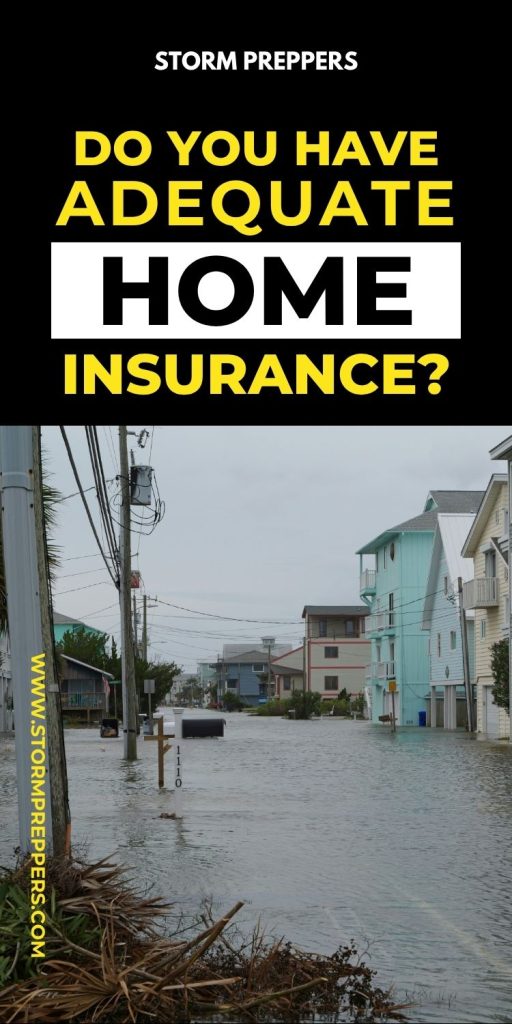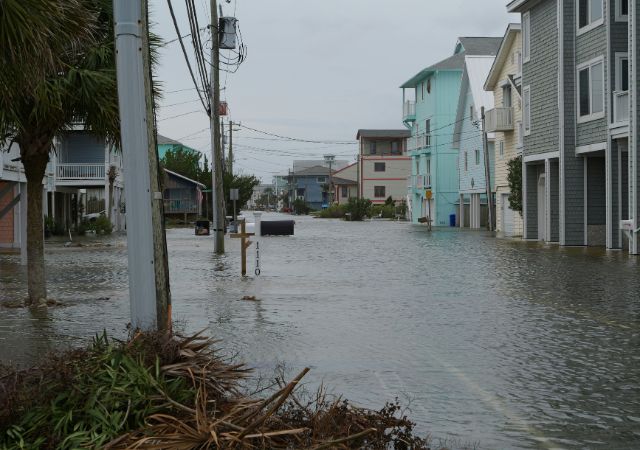
Do you have adequate home insurance? Many homeowners assume their home insurance policies will protect them, but many people discover gaps only after a loss. You need enough coverage to rebuild your home, replace belongings, cover living expenses if you can’t live there, and protect your assets from liability. If these four things are not covered, you could face large out-of-pocket costs.
To ensure that you have adequate home insurance, check your policy limits, deductibles, and exclusions against current construction costs and the value of your possessions. Your location may also present unique risks unique. Assess the potential impact of this risks on your home and lifestyle so you can adjust coverage, endorsements, or umbrella policies where necessary.
Key Coverage Components
At the very minimum, you need protection that rebuilds your home, replaces belongings, and shields you from legal and medical costs if someone is injured on your property. Each part has limits, exclusions, and options you must check to avoid gaps.
Dwelling and Structure Protection
Dwelling coverage pays to repair or rebuild the physical structure after covered perils like fire, wind, or vandalism. The ideal coverage is where the policy’s dwelling limit equals the estimated cost to rebuild at current local material and labor rates, not the market value of the lot or your mortgage balance.
When calculating coverage, insurance companies use either the replacement cost or actual cash value (ACV). Replacement cost covers full rebuild costs without depreciation, whilst ACV subtracts depreciation and can leave you with out-of-pocket expenses. When negotiating with your agent, check to see if this coverage includes attached structures (garages, decks) and detached structures (sheds, fences).
Another thing to note is if the home insurance policy includes guaranteed or extended replacement cost options that add a percentage above your dwelling limit for cost overruns. Your agent should also verify what the excluded perils (e.g. flood, earthquake) are. If you live in a high-risk area, this will help you to determine if you need separate endorsements or additional policies.
Personal Property Limits
Personal property coverage reimburses loss of your belongings from covered perils. It is a good practice to conduct an inventory of your items and assign replacement-cost values for high-ticket goods. Standard policies often provide a single percentage of the dwelling limit (commonly 50–70%) as the personal property limit.
High-value items such as jewelry, fine art, and collectibles often face low sub limits. You must purchase scheduled personal property endorsements or floaters to get full replacement coverage. Also confirm whether your policy pays replacement cost or ACV for personal items. Replacement cost avoids depreciation deductions.
As a policy owner, you should understand how claims handle off-premises losses (items stolen from your car). This also means that you should verify any seasonal or temporary relocation coverage for items stored elsewhere. A good practice is to keep and digitize receipts, serial numbers, and take photos to speed claims and reduce disputes.
Liability Coverage Considerations
Liability coverage protects your assets and future income from lawsuits if someone is injured or you damage another’s property. Standard limits commonly start at $100,000. Many homeowners choose $300,000 or higher depending on their net worth and risk exposure.
Not all liability coverage includes medical payments. You should review whether these are included. Programs like MedPay will pay small medical bills regardless of fault and can prevent lawsuits.
Policy owners also miss exclusions that are written in the fine print of the policy. Review your documents to see if there are exclusions related to business activities, rented spaces, or pools. If you need higher limits of broader coverage across multiple risks, you can consider umbrella insurance.
Liability coverage may also cover legal fees. Check to see if there is a clause for defense cost handling and if legal defense reduces your limit or is provided in addition to it. During your checks, also verify duty-to-defend language and any required notice procedures to maintain coverage during a claim.
Evaluating Risks Specific to Your Home
Homeowners should evaluate all the risks that are specific to their homes. This means that you should identify hazards tied to your location, the effects of recent upgrades, and the true value of what you own. That focus lets you match coverage, endorsements, and deductibles to real exposures.
Regional Hazards and Perils
To begin, list the perils common to your area (e.g. country, state, ZIP code) and prioritize those with the biggest financial impact. Some examples include:
- Coastal (hurricane, storm surge, salt corrosion): add flood or hurricane deductibles and confirm windstorm coverage.
- Inland flood zones: standard policies usually exclude flood — buy separate NFIP or private flood insurance.
- Wildfire-prone areas: check ember and brush coverage limits, and consider a wildfire mitigation discount for defensible-space work.
Your local building codes and elevation requirements can affect rebuilding costs. Ask your insurer whether earthquake or sewer-backup endorsements are needed where you live. You can also review recent loss history in your neighborhood. If there are multiple nearby claims, this can change underwriting and available discounts.
Modern Home Upgrades and Renovations
If you perform and any structural or systems upgrades, they should be documents. These types of upgrades can change replacement costs and coverage needs. Examples to note are new roof materials, electrical service upgrades, added living space, finished basements, and high-efficiency HVAC systems.
An adequate home insurance policy will cover materials and labor to meet current building codes after a loss. If you installed smart-home systems, list components and wiring because these items may require scheduled personal property or equipment breakdown coverage. For high-cost remodels, request a reappraisal or increase your dwelling coverage limit rather than relying on blanket percentage cushions.
Personal Belongings Inventory
Your personal belongings should also be itemized. Create a room-by-room inventory with receipts, photos, serial numbers, and estimated replacement values. In the beginning focus on high-value categories such as jewelry, fine art, electronics, musical instruments, and collectibles.
You can use a simple table to track items:
| Item | Location | Estimated Value | Proof (receipt/photo) |
|---|---|---|---|
| Engagement ring | Bedroom safe | $6,500 | Photo + appraisal |
| DSLR camera | Office shelf | $1,800 | Receipt + serial # |
Your policy’s personal property limits and sub limits (electronics, jewelry) should adequately cover totals. If individual items exceed sub limits, add scheduled endorsements or separate policies to avoid underpayment after a claim.
Policy Exclusions and Limitations
Your policy will name specific perils and situations it won’t cover, and it will set limits and conditions that affect payout amounts and when you can claim. Review the named exclusions, coverage caps, and any required endorsements so you can decide whether to buy extra protection.
Types of Losses Not Covered
Standard homeowners’ policies generally exclude floods, earthquakes, routine wear and tear, mold from long-term moisture, infestations (termites, rodents), and intentional or criminal acts by an insured.
Depending on where you live, you will need to purchase separate flood insurance. In the United States, this can be purchased from through the National Flood Insurance Program or a private policy. If your property is damaged by rising surface water or tidal flooding, and you do not have flood insurance, you may not be reimbursed.
Earthquake damage is similar to flooding and requires a separate earthquake policy or endorsement.
Insurance policies are carry liability exclusions. Things such as business-related claims, professional services you provide from home, and liability arising from certain dog breeds or hazardous activities can be excluded or limited.
Policies can impose sub-limits for high-value items—jewelry, furs, and fine art—so your scheduled coverage or separate floater may be required to fully protect those items.
Commonly Overlooked Endorsements
Endorsements (riders) modify your base policy and fill common gaps. Consider these frequently useful ones:
- Flood or Sewer Backup: Covers damage from storm surge or backed-up sewer lines that standard policies exclude.
- Earthquake: Adds coverage for ground-shaking losses and structures; often has a separate deductible.
- Scheduled Personal Property: Increases limits and removes sub-limits for valuables like jewelry, cameras, and collectibles.
- Extended or Guaranteed Replacement Cost: Pays to rebuild without strict policy limits or up to a percentage above the dwelling limit.
To decide if you are going to upgrade your coverage, review endorsement costs versus potential out-of-pocket exposure. This also includes checking deductible types and waiting periods. For example, earthquake endorsements typically use a percentage deductible, which can be significant on high-value homes.
Understanding Policy Limits and Deductibles
You need to know how much your insurer will pay and how much you must cover before benefits kick in. Limits determine the payment ceiling, whilst deductibles determine your immediate out-of-pocket cost.
Replacement Cost Versus Actual Cash Value
Replacement cost pays to rebuild or replace items at current market prices without subtracting for wear and age. If your policy lists replacement cost for the dwelling, the insurer will cover rebuilding your home to the same quality and size up to the policy limit, subject to any coverage exclusions and local building-code upgrades.
Actual cash value (ACV) subtracts depreciation from the replacement cost. For older roofs, appliances, or furniture, ACV can cut the payout significantly.
Ask your insurance agent which basis applies to your dwelling, personal property, and additional structures and ask them to also check policy declarations and endorsements.
Consider these action steps:
- Confirm dwelling coverage is replacement cost if you want full rebuild protection.
- Inventory high-value items and ask about scheduled personal property to avoid ACV reductions.
- Request endorsements for code upgrades or guaranteed replacement cost when available.
Impact on Claims and Out-of-Pocket Costs
Your deductible is the fixed amount you pay before the insurer pays a claim. Higher deductibles lower premiums but increase the cash you must provide after a loss. For example, a $2,500 deductible reduces your premium versus a $500 deductible but requires you to cover the first $2,500 of any covered claim.
Policy limits cap total insurer payments on specific coverages for dwellings, other structures, personal property, and liability. If your dwelling limit is below the rebuilding cost, you will pay the difference out of pocket. If personal property limits use percentage sub-limits (e.g., 50% of dwelling for contents), large losses can exceed those sub-limits.
Checklist to manage costs:
- Compare rebuild estimates with your dwelling limit annually.
- Choose a deductible you can afford after a disaster.
- Increase specific limits or add endorsements for valuables, code upgrades, or higher contents coverage when needed.
Tips for Annual Coverage Reviews
Every year you should review replacement costs, personal property limits, liability limits, and any exclusions. Your premiums and coverage needs could be affected by recent home improvements, added valuables, and changes in occupancy.
Adjusting to Life Changes
As mentioned previously, creating an inventory of your items is necessary. You can start by inventorying new items worth over $1,000 each – appliances, electronics, jewelry, and collectibles. After this exercise, you may need to update your personal property limits or add scheduled/floaters for high-value items to avoid automatic depreciation payouts.
If you finished a remodel, you should increase your dwelling coverage to match current rebuilding costs. Note changes like a new deck, finished basement, or upgraded roof. When you ask your insurer to adjust limits, that may require proof in the form of receipts, contractor estimates, or photos.
If your household composition changes, you need to adjust for that. A new roommate, dependent, or occupant who runs a home-based business can affect liability and endorsements. If you rent out a portion of your home for short-term rentals or extended guest stays, you also need to check that this is within the limits of your policy.
Consulting Insurance Professionals
When meeting with insurance professionals, you must be prepared to present documentation. Documentation includes recent appraisals, contractor estimates, photos, and a dated inventory list. During the meeting, ask specific questions. For example, how replacement cost is calculated, whether ordinance or code upgrades are included, and what limits apply after a total loss.
When you are shopping around for policies, request policy comparisons in writing. Ask questions and have an agent or broker explain endorsements like extended replacement cost, guaranteed replacement cost, and personal property replacement cost in plain terms.
If you face complex risks—flood, earthquake, high-value collections, or a home business—consider using the services of a licensed independent agent or a specialist appraiser. They can recommend endorsements, umbrella policies, or separate policies to close coverage gaps.
Frequently Asked Questions
This section explains how to check your coverage limits, estimate rebuild costs, understand the 80% rule, choose liability amounts, decide whether to keep insurance on a paid-off home, and avoid common errors that can reduce or void a claim.
How do I know if my home insurance coverage limits are enough?
Firstly, you have to compare your dwelling limit to a current rebuilding estimate, not the market value. Use an independent replacement-cost estimator or a local contractor to get a line-item rebuild cost for materials, labor, and code upgrades.
Review personal property limits by doing a home inventory with receipts or photos and assigning current replacement values. Check separate limits for high-value items (jewelry, art) and add scheduled endorsements if needed.
Confirm liability and additional living expenses (ALE) limits are adequate for your situation, such as household size, asset level, and local rental costs. If you rent out part of your home or run a business from it, buy endorsements or separate policies.
How much dwelling coverage do I need to rebuild my home after a total loss?
Your dwelling coverage should match the realistic cost to rebuild on your lot. The best way to do this is to use current local prices for materials, labor, and permits. Factor in demolition, debris removal, foundation work, and any required upgrades to meet current building codes.
Re-evaluate the estimate annually or after renovations, major local price changes, or permit-cost shifts. Underinsuring by even 10–20% can leave you with large out-of-pocket expenses after a total loss.
What is the 80% rule in homeowners’ insurance, and how does it affect claim payouts?
The 80% rule requires you to insure your dwelling to at least 80% of its replacement cost to receive full reimbursement for partial losses. If you carry less than 80%, the insurer may prorate the payout based on the ratio of your coverage to 80% of replacement cost.
Example, if replacement cost is $300,000, 80% is $240,000. If you insure for $180,000, a partial loss payout is reduced proportionally, often leaving you responsible for a significant share of repair costs.
How much personal liability coverage should I carry on my homeowner’s policy?
If you have moderate assets carry at least $300,000. And if you own significant assets, rent out part of your property, or have high-risk activities consider $500,000 to $1 million.
Umbrella liability policies provide extra protection above your homeowner’s liability limit for a relatively low cost.
You should also consider potential future exposure. Teen drivers, frequent guests, or rental activity increases risk and argues for higher limits.
Do I need homeowners insurance if my home is fully paid off?
You don’t legally need it simply because you own the home outright, but you should keep insurance to protect your largest asset from fire, storms, theft, liability claims, and code-driven rebuild costs. Without a mortgage lender, you assume full financial risk for rebuilding and legal defense costs after a claim.
If you reduce coverage, maintain at least dwelling, liability, and ALE protections, and consider retaining replacement-cost coverage instead of actual cash value for personal property.
What common mistakes can reduce or jeopardize a homeowners insurance claim?
Failing to maintain your home (e.g. ignoring roof damage, plumbing leaks, or pest issues), can lead to claim denials for lack of maintenance. Delayed reporting or incomplete documentation of damage also weakens claim outcomes.
Underinsuring the dwelling or personal property, not scheduling high-value items, and making unauthorized repairs before insurer inspection can reduce payouts. Always maintain thorough inventories, keep receipts, document damage promptly, and follow your policy’s notice and mitigation requirements.
Home insurance, if done correctly, can save you from major financial ruin in the aftermath of a disaster. Before the event occurs, verify that your policy covers full replacement costs and sufficient personal property limits. Also confirm exclusions and deductibles don’t expose you to major gaps or surprises. Even if your area has not had any major events, you should still review coverage annually and update limits to match rebuilding costs and asset values.
Image: Richard R via Unsplash